
Deciding whether a US sub shop franchise is the right investment for you—whether you’re a first-time franchisee or a seasoned entrepreneur—requires careful evaluation of your financial goals, risk tolerance, and passion for the business.
Sub shop franchises offer a compelling food franchise opportunity to enter the American fast-casual dining industry with a proven business model, but they also come with unique costs and challenges. Understanding the financial commitments, including franchise fees, startup expenses, and ongoing operations, is crucial for making an informed decision. Here’s how to assess if a sub shop franchise aligns with your vision and resources.
Understanding Sub Shop Franchise Investment Costs in America
Before diving into a sub shop franchise, it’s essential to break down the financials. These costs vary depending on the brand, location, and market demand, but they generally fall into three categories:
- Franchise Fees: Most sandwich shop and food franchise opportunities require an initial franchise fee, which can range from $10,000 to $5035,000 or more, depending on the franchise brand in the US market. This fee grants you access to the franchise’s name, systems, and support. For example, when exploring a sub shop franchise for sale, this upfront cost is your entry ticket into the business.
- Startup Expenses: Beyond the franchise fee, you’ll need to cover equipment, signage, initial inventory, and leasehold improvements for your sub shop franchise investment. These costs can easily total $250,000 to $700,000 or more, depending on the size of the location and the condition of the space. The best sub sandwich franchise options often provide detailed estimates to help you plan.
- Ongoing Operations: Running a sub shop franchise involves recurring expenses like rent, payroll, utilities, and marketing. Additionally, most franchisors charge royalties—typically 5% to 8% of your monthly revenue—plus a marketing fee to support national campaigns. These costs can impact profitability, so it’s critical to project your cash flow before committing.
Whether you’re new to franchising or an experienced franchisee, crunching these numbers will reveal whether the sub shop franchise fits your budget and long-term goals. According to the International Franchise Association (IFA), food franchises in the US have shown consistent growth with a 4.4% annual increase in franchise establishments through 2024, making sandwich concepts particularly resilient during economic fluctuations.
A detailed business plan, often provided by the franchisor, can help you assess if the return on investment justifies the expense.
What are the Benefits of Owning a Sub Sandwich Business Franchise
A sub shop franchise investment offers several advantages that appeal to both novice and seasoned entrepreneurs Here are some key benefits to weigh:
- Lower Risk: Unlike starting an independent sandwich shop, an investment for a sub shop franchise comes with an established brand, territorial rights, customer base, and operational playbook. This reduces the uncertainty of building a business from scratch, making it an attractive option for risk-averse investors.
- Training and Support: The best American sandwich franchise brands prioritize your success by offering comprehensive franchise training programs covered in the franchise disclosure document—covering everything from food prep to customer service—and ongoing support. This hand-holding can be a game-changer if you’re new to the restaurant industry.
- Scalability: A successful sub shop franchise can grow beyond a single location. If your first shop thrives, you could explore additional units, increasing your revenue potential. This scalability makes the model appealing for investors with ambitious growth goals.
Challenges to Consider Before Purchasing a Sub Shop Franchise

While the benefits are enticing, this food franchise opportunity isn’t without its hurdles. Here’s what to watch out for:
- Initial Costs: The upfront investment can be steep. Between franchise fees, equipment, and build-out expenses, you’ll need significant capital or financing. If you’re eyeing a sub shop franchise for sale, ensure you have the funds or access to loans to cover these costs without overextending yourself.
- Ongoing Royalties: Paying a percentage of your revenue to the franchisor can eat into your profits, especially in the early years when you’re still building a customer base. Factor these fees into your financial projections to avoid surprises.
- Competition: The sandwich market can be crowded, with local delis, national chains, and even grocery stores vying for customers. Research your area’s market demand to determine if there’s room for another sub shop franchise. A saturated market could limit your growth potential.
How to Evaluate if a US Sandwich Franchise Fits Your Financial Situation and Goals
To determine if a sub shop franchise is right for you, start by asking yourself a few key questions:
- Do I Have the Capital? Assess your financial readiness. If the startup costs and ongoing expenses stretch your budget too thin, it might not be the right time—or the right franchise.
- Am I Comfortable with the Franchise Model? Franchises offer structure but require you to follow their rules. If you prefer full creative control, an independent business might suit you better.
- Does the Market Support It? Investigate local demand. A sub shop franchise investment in a bustling area with few competitors could be a goldmine, while one in an oversaturated market might struggle.
- Am I Passionate About This? Running a sub shop franchise demands hands-on effort, especially in the beginning. A genuine interest in food and customer service can fuel your success.
Why TOGO’S Offers one of the Best Sub Sandwich Franchise Opportunities in America?
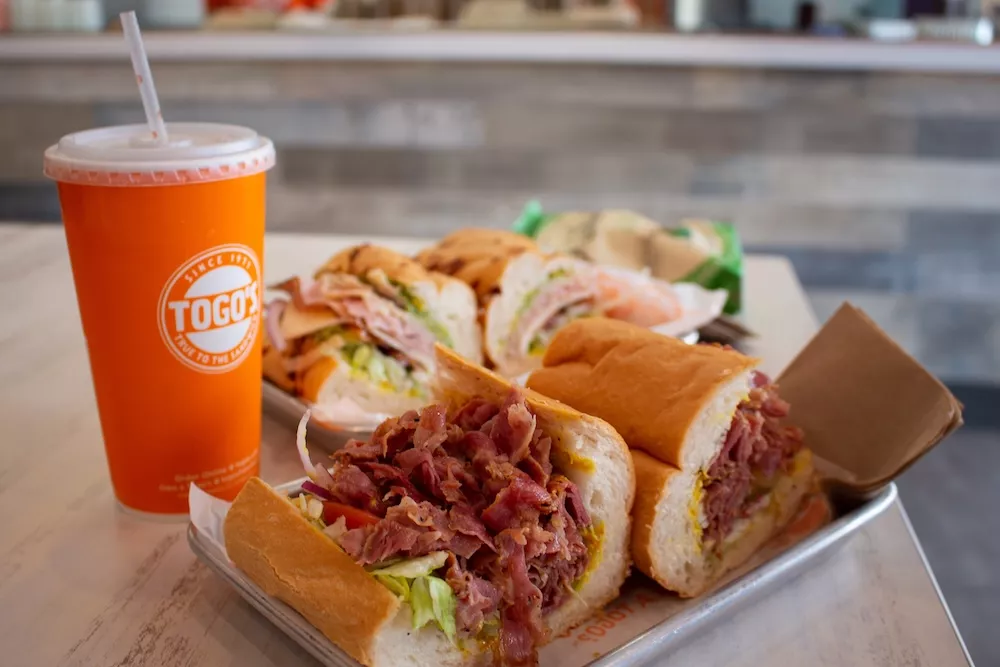
TOGO’S stands out as a great food franchise opportunity for potential franchisees seeking a proven player in the sub shop franchise market. With over 50 years of experience, TOGO’S offers a well-established submarine sandwich brand known for its high-quality, made-to-order sandwiches, appealing to a loyal customer base. Franchisees benefit from comprehensive training and ongoing support, ensuring even those new to the restaurant industry can succeed.
The initial investment, typically ranging from $50250,000 to $700,000 or more depending on location and size, is competitive among the best sub sandwich franchise options, while the scalable model allows for growth into multiple locations.
Plus, TOGO’S focus on fresh ingredients, generous portions and customizable menus taps into the growing demand for fast, healthy dining, making it a compelling choice for entrepreneurs looking to capitalize on a sub shop franchise for sale with strong market potential.
Final Thoughts: ROI Analysis for Sub Shop Franchises
A sub shop franchise investment can be a rewarding venture if you’re prepared for the financial commitment and operational demands. The lower risk, robust support, and potential for growth make it an appealing choice for many. However, the initial costs, royalties, and competitive landscape require careful consideration.
By thoroughly evaluating the financials—franchise fees, startup expenses, and ongoing operations—you can decide if this opportunity aligns with your finances and investment goals.
The Small Business Administration reports that franchise businesses have a success rate approximately 25% higher than independent small businesses, with structured business systems and brand recognition being key factors in this performance difference.
Whether you’re drawn to the best sub sandwich franchise or a lesser-known sub shop franchise for sale, the key is aligning the decision with your resources, experience, and vision for the future.
To learn more about the TOGO’S opportunity, reach out to our franchise development team today!
Recent Comments