When considering a franchise investment, understanding the financials of a sandwich franchise is crucial to making an informed decision. Whether you’re a seasoned investor or new to the industry, having a clear understanding of initial startup costs, ongoing operational expenses, and projected revenue of opening a sandwich shop can help you assess the financial viability of a sandwich franchise. The costs associated with opening a sandwich franchise, along with its potential for profit, are key factors that can significantly impact your business success.
If you’re trying to figure out how to open a sandwich shop, this guide will walk you through the key financial aspects to consider before making your investment.
Initial Investment: How Much Does It Cost to Open a Sandwich Shop?
The upfront costs for buying a sandwich shop may include franchise fees, property leasing, and equipment costs. Ensure you have a clear breakdown of these expenses before making a commitment. Here are some of the most common initial investment costs:
- Franchise Fee – The cost of acquiring the rights to operate under an established sandwich brand. This can range from $10,000 to $50,000 or more, depending on the franchise.
- Property Leasing or Purchase – Securing a prime location is critical. Lease costs vary based on location, foot traffic, and local real estate trends.
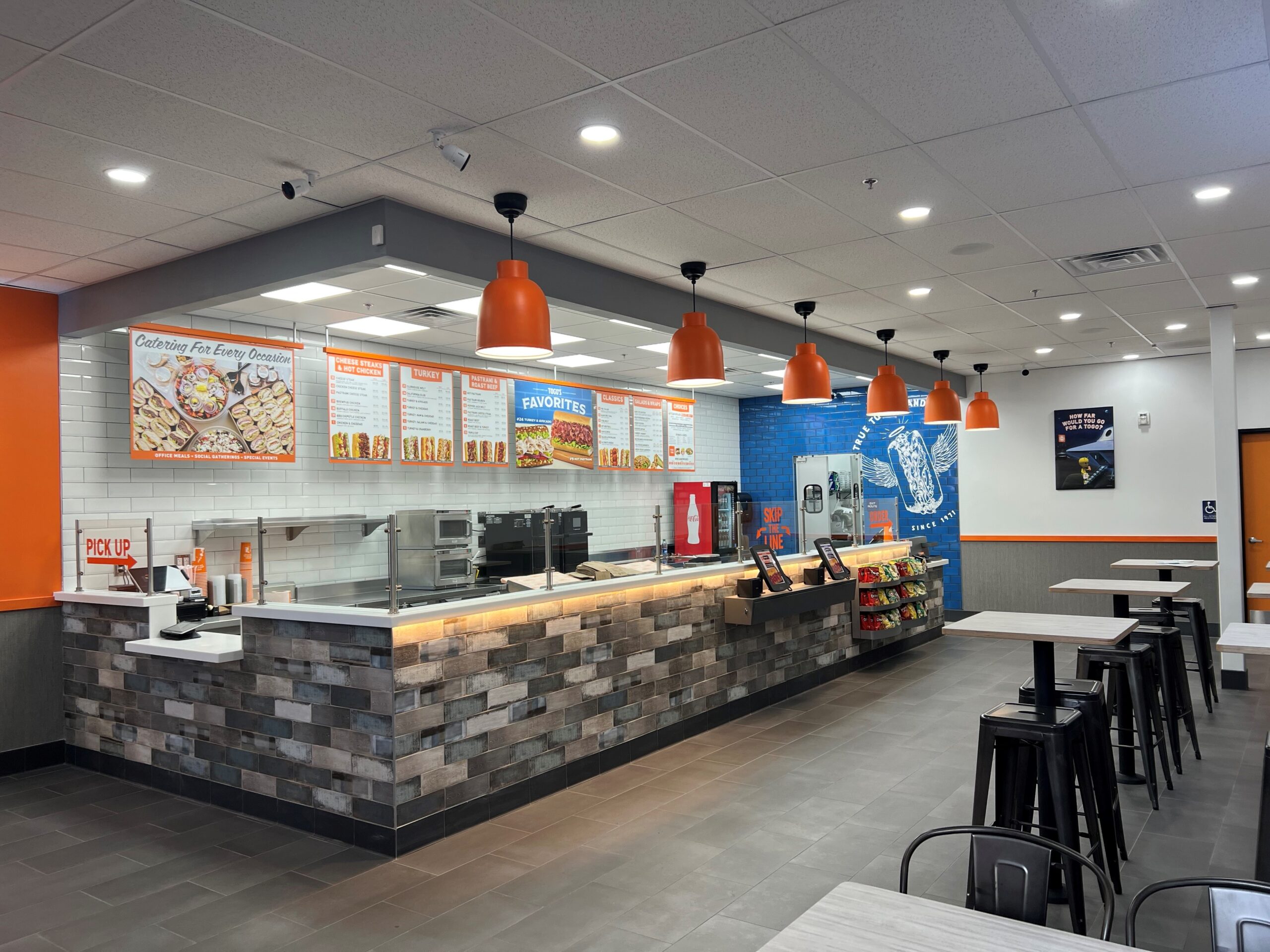
- Equipment & Build-Out Costs – Essential kitchen appliances, counters, seating, and branding materials can cost between $100,000 and $300,000 or more.
- Licensing & Permits – Health permits, business licenses, and other regulatory costs must be factored into your initial budget.
Before buying a sandwich shop for sale, carefully evaluate these costs to determine if they align with your budget and investment goals.
Ongoing Costs: Managing Your Sandwich Shop’s Operational Expenses
Once your sandwich shop is open, ongoing costs will play a major role in profitability. These include:
- Rent and Utilities – Depending on the location, rent can vary significantly. Utility costs include electricity, water, and gas for running kitchen equipment.
- Inventory and Supplies – Fresh ingredients, packaging, and cleaning supplies are recurring expenses.
- Employee Wages – Hiring and retaining skilled staff is essential. Labor costs depend on location and market wages.
- Marketing and Advertising – While franchisors often handle national marketing, local promotions and online advertising will require additional investment.
- Royalty and Marketing Fees – Most sandwich franchises charge ongoing fees, typically a percentage of revenue, to cover brand support and advertising.
By carefully managing these expenses, you can maximize your profit margins and ensure long-term success.
Profitability: How to Open a Sandwich Shop Business and Assess Potential Revenue
Understanding revenue potential is critical when evaluating sandwich shops for sale. Researching the average profitability of similar sandwich shops in your area can help you estimate potential earnings. Key factors to consider include:
- Average Sales Per Location – Review financial reports from existing franchises to understand expected sales performance.
- Market Demand – A sandwich shop for sale near me may perform differently based on location, demographics, and local competition.
- Customer Traffic & Pricing Strategy – High-traffic locations with competitive pricing can lead to stronger revenue streams.
Industry data suggests that sandwich franchises typically have profit margins ranging from 10% to 20%, depending on operational efficiency and sales volume.
Choosing the Right Location for Your Sandwich Shop Business
When searching for a sandwich shop for sale near me, location is a critical factor in success. Consider the following:
- Foot Traffic & Accessibility – High-traffic areas such as malls, business districts, and near schools or universities tend to attract more customers.
- Market Demand – Research the target demographic to ensure strong demand for a sandwich shop in the area.
- Competitor Analysis – Assess existing sandwich shops in the vicinity to determine whether there’s room for your business.
Securing the right location can significantly impact the profitability of your sandwich franchise.
How Much does it Cost to Open a Sandwich Shop Business: Financing Options
Common financing methods include:
- Small Business Loans (typically 70-80% of total investment)
- Traditional bank loans
- Equipment financing
- Franchisor financing programs
- Private investors
Final Thoughts: Is a Sandwich Franchise the Right Investment for You?
Investing by opening a sandwich shop with TOGO’S can be a lucrative opportunity, but understanding the financials is essential. Before purchasing a sandwich shop for sale, conduct thorough research on initial investment, operational expenses, and revenue potential. Whether you’re interested in how to open a sandwich shop business or assessing how much it costs to open a sandwich shop, financial planning will be key to long-term success.
By analyzing your potential sandwich shop’s costs, franchise fees, market demand, and profitability metrics, you can make an informed decision on whether a sandwich franchise aligns with your investment goals.
If you are looking for the best sandwich franchise to open in your neighborhood, we need to chat. Contact the Franchise Team at TOGO’S now!
Recent Comments